|
|
#1 |
|
x'); DROP TABLE FFR;--
Join Date: Nov 2010
Posts: 6,332
|
Here is a personal finance walkthrough (for people who live in America), in the following order:
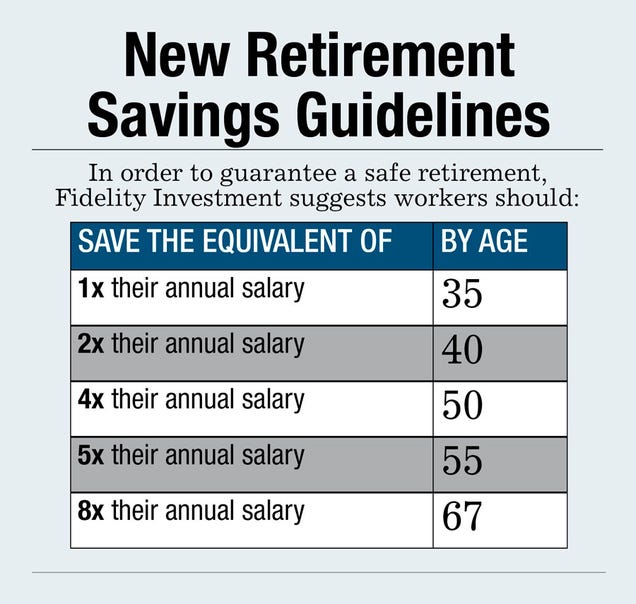
1. Build up an emergency fund that will cover all your expenses (rent, food, bills, loans, everything) for 3-6 months. This is a "slush fund" that will keep you afloat in the event that something unexpected happens, such as losing your job or getting hit with a medical expense. Store it in something reasonably liquid, like an interest savings/checking account or a money market account. If you ever find that you need to draw money from this fund, immediately begin working to replenish it. 2. Max 401k company match. Hopefully your employer offers this. If your employer offers to match contributions up to x%, then you should contribute x%. In other words, contribute the amount that will maximize how much your employer will match. This is a tax-advantaged 100% guaranteed return on your money, so you need to hop on this before you even consider anything else. 3. Pay off high-interest debts. Especially credit card debt -- that shit has got to go. I personally define high as 4% or greater. There are two approaches to this. The "avalanche method" means you order your debts by interest rate and just start chipping away at the highest-rated debt and work your way down. This is the mathematically optimal approach that minimizes your overall cost (i.e. the amount you're wasting to interest), but some people do well with the "snowball method," where you arrange debts by the sizes of the balances instead. While not necessarily mathematically optimal, it is psychologically satisfying to eliminate debt, and the quickest way to do this is to go after the smallest balances. By eliminating debts sooner, it can inspire you to get more aggressive about paying the rest off, and it will help keep you motivated. Decide which method works best for you (I've used a bit of both, but mostly avalanche). Low-interest debt you can ignore for now. 4. Maximize your IRA. These are also tax-advantaged accounts. Why not contribute more to the 401k at this point, you might ask? With your employer, what they offer is what you get. With IRAs, you can open these up externally and pick/choose from all sorts of quality, low-cost providers such as Vanguard or Fidelity. There is a max contribution limit, so once you max this out... 5. Maximize the rest of your 401k. No point in giving up that tax advantage. 6. At this point, you have some freedom. Add more to the emergency fund? Sure. Pay off low-interest debt? Sure. Save up for a house? Sure. Whatever will make you happy, go for it -- at this point you've already eliminated your high-interest debt and are saving over $20k/year for retirement. 7. Taxable investment / brokerage accounts, for when you want to save even more. How much should you have saved for retirement? This is Fidelity's recommendation: ![]() I don't agree with it 100%, but it's a great start for most people (personally, I'd say a year's salary by age 30). Am I saying that you can't spend money and have fun in the meantime? Nope, you should treat yourself from time to time -- but you have to be smart about it. The more money you spend now, the more money you are taking away from your future self. You have to determine what an appropriate tradeoff will be. For example maybe you'd rather start saving for something like a house after step 4. Nothing wrong with that as long as you know what you're giving up in the long run. Last edited by Reincarnate; 02-25-2015 at 09:41 PM.. |
|
|
|
| Currently Active Users Viewing This Thread: 1 (0 members and 1 guests) | |
|
|